
March 17 – 21, 2025 ‹
The Best of the Literary Internet, Every Day
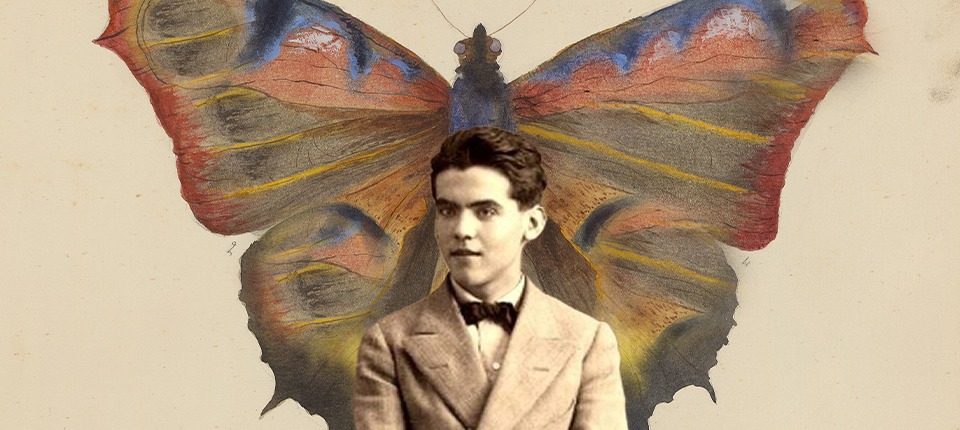
TODAY: In 1920, Federico García Lorca’s first play, The Butterfly’s Evil Spell, is poorly received at its premiere in Madrid.
- Janet Todd explores the origins and enduring appeal of Jane Austen’s Mr. Darcy. | Lit Hub Criticism
- “We will not take lectures on antisemitism from segregationists and neo-nazis.” Joseph Howley, a Columbia University professor, speaks out against the kidnapping of Mahmoud Khalil. | Lit Hub Politics
- “Who gets to come back and who doesn’t – that’s the mystery of grace, which Shane sang about, praying that the hauntings would abate.” Ed Simon on Shane MacGowan and The Pogues.| Lit Hub Music
- “For me, the Little Marquise was my first porno, my first dildo, and my first love.” Gabriela Wiener on José Donoso’s The Mysterious Disappearance of the Marquise of Loria. | Lit Hub Memoir
- “It’s pretty human, but it’s still bad.” Ezra D. Feldman weighs in on AI-penned metafiction. | Vulture
- On Sarah Wynn-Williams’ memoir, Careless People: A Cautionary Tale of Power, Greed, and Lost Idealism (and why Mark Zuckerberg doesn’t want you to read it). | Vox
- Kelly Jensen traces a recent history of librarian criminalization bills. | Book Riot
- Joshua Hammer explores the history of four competitive scholars who deciphered cuneiform. | Smithsonian Magazine
- “It was during the pandemic that I got really into watching vintage snooker clips online.” Daniel Drake interviews Sally Rooney. | New York Review of Books
- Federico Perelmuter considers the pope’s autobiography: “Hope skirts the uncomfortable fact that the Catholic Church’s leadership was enthusiastically in favor of the military dictatorship.” | The Dial
- Kate Millar talks to Pádraig Ó Tuama about religious trauma, eros, and poetry as prayer. | Public Books
- “Thompson’s killer found a person to whom grievances could be presented, and delivered them in the American style: in bullet form.” Mark O’Connell on Luigi Mangione’s alleged killing of a healthcare CEO. | New York Review of Books
- “Would you rather have abundance or scarcity? Easy: more is better than less. What about abundance or scarcity of war?” Malcolm Harris considers Ezra Klein and Derek Thompson’s Abundance. | The Baffler
- How J. Russell Smith argued for the restoration of forests as key to sustainable agriculture in his seminal book, Tree Crops: A Permanent Agriculture. | JSTOR Daily
- B.D. McClay considers the relationship between speculative fiction and trash art: “I like genre fiction for the same reason I like black-and-white film, stylized dialogue, animation, the paintings of Marc Chagall or ballet: things feel more real if they’re obviously a little fake.” | The Point
- Julian Lucas talks to some of the guerilla archivists resisting Trump’s “digital book burning.” | The New Yorker
- Juan Cole looks to South African cyberpunk sci-fi for insights into the rise of the tech bro oligarchy. | The Nation
- “Shaver insisted that his tales, however outlandish they may seem, were true and grounded in firsthand experience.” Brian Tucker explores Richard Sharpe Shaver’s rock books. | The Paris Review
- Alex Reisner takes you inside the books Meta used to train its AI. | The Atlantic
Also on Lit Hub:
And the best villain in literature is… • The White Lotus and literary tourism • The challenges of reporting on the abuses of Israel’s government • How visions of freediving helped Diane Mehta finish her novel • The process of transforming Moby-Dick and (more novels!) into operas • Diana Wagman on finding her grandfather’s rejection letters • Music, family, and the formation of the self • Why even as publishing changes, the writing never stops • Lisa Hofmann-Kuroda on translating Yuko Tsushima’s Wildcat Dome • How interviewing celebrities teaches literary lessons • Emma Donoghue recommends books about trains • The complex story of carbon in our world • The colonial struggle that gave birth to New York City • The disenfranchisement and desperation of the Vietnam War generation • On Nan Shepherd’s The Living Mountain • Why Charlotte Perkins Gilman wrote “The Yellow Wallpaper” • Why writing has with deep ties to history • The ongoing battle to desegregate American schools • Why being kind to yourself is the first step in writing • Natasha Pulley on her favorite Greek words • A short history of short fiction by American women • Invisible Cities at 50 • The terminal emptiness of the GOP • Why restrictive moralizing hurts parents • Are you the asshole if you demand semicolons? • The future of post-pandemic illness literature • 5 book reviews you need to read this week • Immigrant novels with unconventional narrative structures • Dive into Silvia Park’s reading list • Why service workers are instrumental to the future • The political climate that led to the Red Scare • This week on the Lit Hub Podcast • The deeply American practice of shipping trash to the Global South • Why “physical reading materials are vital to resistance movements” • The problem with revenge writing • The best reviewed books of the week • How writing a memoir helped brain trauma heal • Everyday encounters with the strange and unusual